Blue Green Algae
Keeping lake users safe from harm
An explanation of Blue Green Algae and how we manage it.
About Blue Green Algae
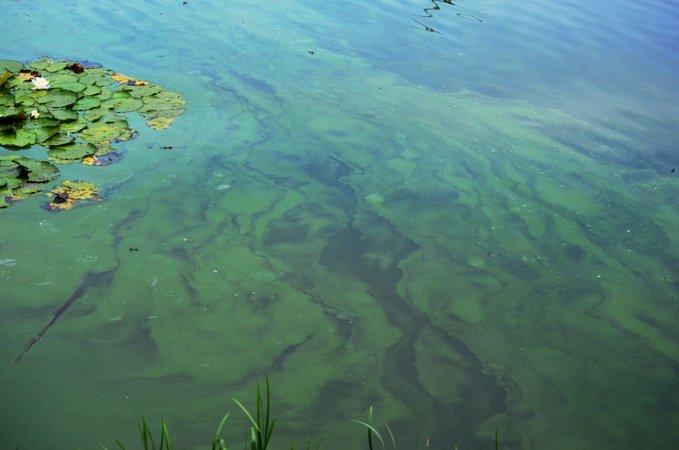
Blue-green algae (or cyanobacteria) occur in fresh, brackish and sea water throughout the world; in the UK they can sometimes appear in large blooms during the summer months in ponds, lakes, reservoirs and old gravel pits and can cause problems for boating activity.
While usually green, or blue-green in colour (hence the name), they may be khaki, blue, black, dark brown or red. Blooms of blue-green algae can form thick scums on the surface of the water and are often cause for concern because as they start to break down they can release a range of toxins. If these toxins are ingested in large quantities they can present risks to human health and long-term exposure of human skin to the toxins can cause irritation. The effect on humans in the UK has been limited to illness rather than death and there are a number of steps that you can take to minimise the risk associated with blue-green algal blooms.
Ultrasound technology to control algae
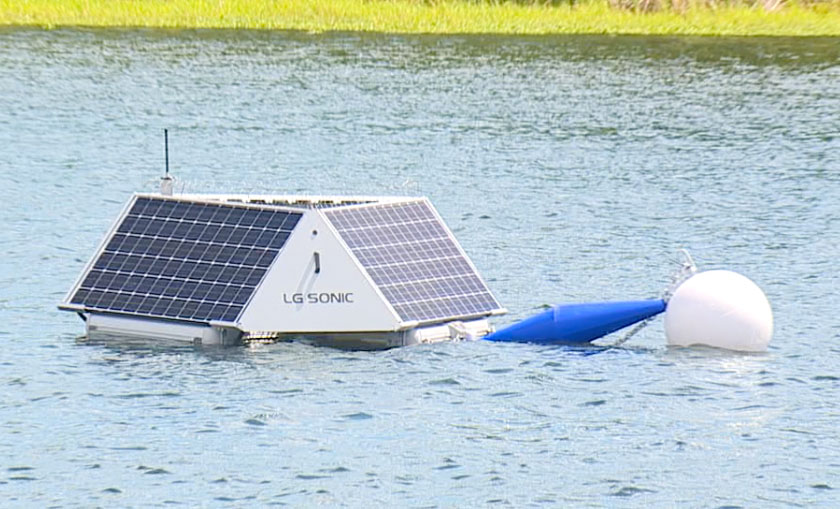
Bury Lake has two ultrasonic devices to control and monitor blue green algae. This is an environmentally-friendly alternative to chemical usage and harmless to the aquatic ecosystem.
- Controlling algae with low-power ultrasound is a well-established method that’s been in existence for years;
- It’s an environmentally-friendly alternative to harsh chemicals, safe for the aquatic life;
- The ultrasonic technology is effective in controlling a broad range of algal species.
In the event that higher levels of blue green algae are identified as present in the lake then the lake and activities run by Canoe Sports Trust may cease. There will be occasions when blue green algae is present but constitutes a low risk and activities will continue on the lake.
During the presence of trace elements of blue green algae, it may be necessary to introduce cautionary procedures such as showering after each lake based activity.
Health and Safety
Paddlesport activities have variable risk of falling into the water, which is why wetsuits are mandatory October to March, outside of these months, we consider the water temperature and activity planned and if deemed a bit on the cold side can provide wetsuits. You are of course welcome to bring your own wetsuit, or one can be provided.
Normal recommended attire is a sports top like a football shirt and nylon or polyester shorts, cotton trackies and hooded tops are inappropriate and become very heavy when wet impeding your ability to swim. Water shoes are a site requirement and if you don’t have these, old trainers suffice. Full joining instructions can be read and downloaded here.
If you are attending for more than one activity (4 hour or an all day visit) you should consider multiple changes of clothing which will ensure you have something dry to change in to, should the need arise.
CST is an AALA approved Paddlesport provider, this means our processes and methods of delivery have been assessed by the Health and Safety executive to provide you an assurance that we know what we are doing. All activity is delegated by L3 Coaches to L1 qualified Paddlesport Instructors who have been assessed to lead and supervise paddlesport activities on inland waters such as lakes and canals.
All instructors have safety and rescue training, maintain their first aid qualifications and have undergone safeguarding training.
The Adventure Activities Licensing Authority (AALA) came into existence in April 1996. The Health and Safety Executive is currently designated as the AALA.
Adventure activities licensing ensures that activity providers follow good safety management practices.
These should allow young people to experience exciting and stimulating activities outdoors without being exposed to avoidable risks of death or disabling injury.
There are four broad groups of activities that are covered by licensing that include Caving, Climbing, Trekking and Watersports, watercraft specifically deployed by the Canoe Sports Trust include:
- Canoes, kayaks and stand up paddle boards propelled by paddles.
- Rafts which are improvised from various materials.
The most familiar watersports activities include canoeing, kayaking, dragon boating, wave skiing, white-water rafting, improvised rafting, sailing, sailboarding and windsurfing. For any of these activities to be licensable, they need to be done on ‘specified water’ – this is the sea, tidal waters (eg estuaries), inland waters more than 50 metres from the nearest land excluding any island or on turbulent inland waters.
You can be assured that any organisation in possession of an AALA licence certificate has been checked to ensure their equipment, processes and allocation of instructors to different activities adhere to government recommended guidelines.